Lapland – the Month You Choose Defines Much
Like in many of the destinations where we send our travelers, a successful Lapland winter experience depends heavily on good timing. The season runs October through March, and each stretch of it is a genuinely different trip. Here’s how to think about it.
October and November: Beautiful, but a Gamble on Snow
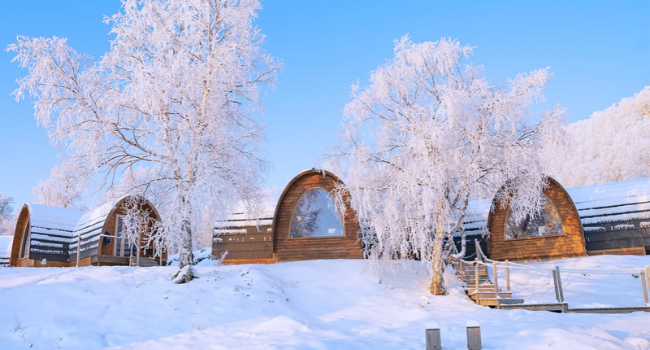
The snow hotels are open, and the landscape is quiet, but some of the signature activities depend on how much snow has actually fallen. Dog sledding in particular often needs real accumulation and frequently doesn’t come fully online until after December 1. Go now for stillness and low crowds. Don’t go now if your heart is set on a sled behind a team of huskies.
The Holidays: Magical, but More Complicated
The holidays, roughly December 20 to January 3: go in with your eyes open. This is the most complicated window. Prices climb, popular lodges fill up, and Scandinavians take Christmas and New Year seriously, which means real closures. Expect most activities to pause entirely from December 24 to 26 and again from December 31 to January 2. It can be a magical time to be there. It is not a time to expect a full slate of excursions, and it is the most expensive way to see Lapland.
January and February: Cold, and That’s the Point
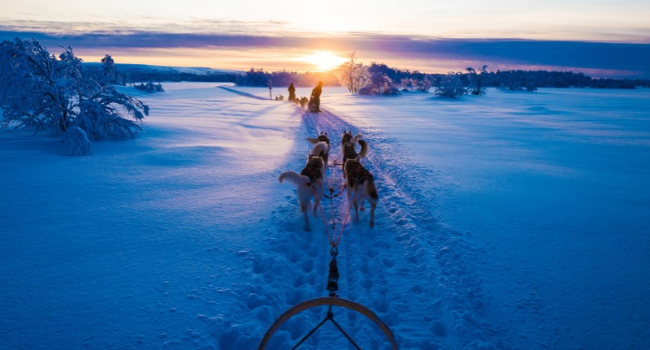
This is the heart of the season. Yes, it is very cold, but that cold is what you came for. It brings deep, reliable snow, frozen lakes and rivers, and the most stable winter conditions for sledding, snowmobiling, and the ice hotels at their best. One small note: hotels can run a little fuller around February 14, since Valentine’s Day is very much a thing in Scandinavia too.
The Light Is Its Own Calendar
This is the part most people don’t plan for. Near the December solstice, the sun barely clears the horizon this far north. That deep darkness is atmospheric and good for aurora, but it leaves little daylight for sightseeing.
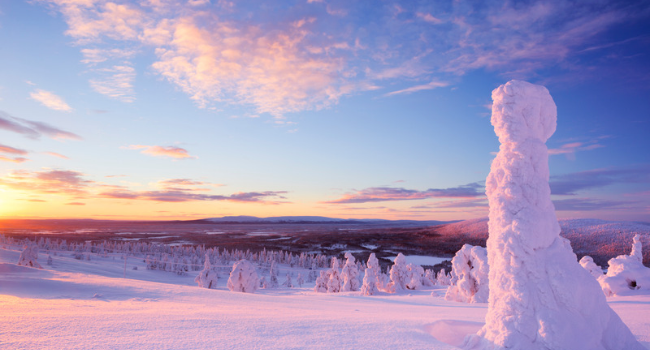
By February the light comes racing back, long blue-and-gold twilight days that many travelers end up loving most. March holds onto deep snow while offering generous daylight and milder cold, which is why some of our most experienced winter travelers quietly prefer it.
About the Northern Lights
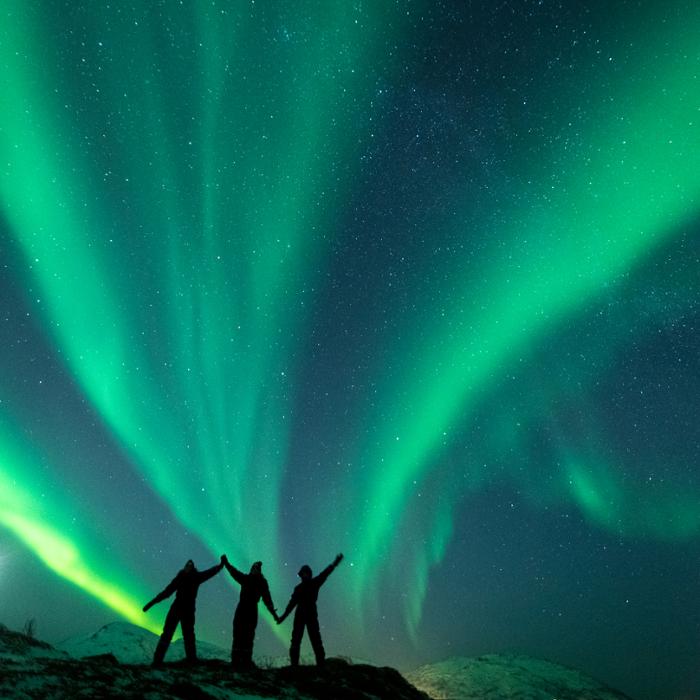
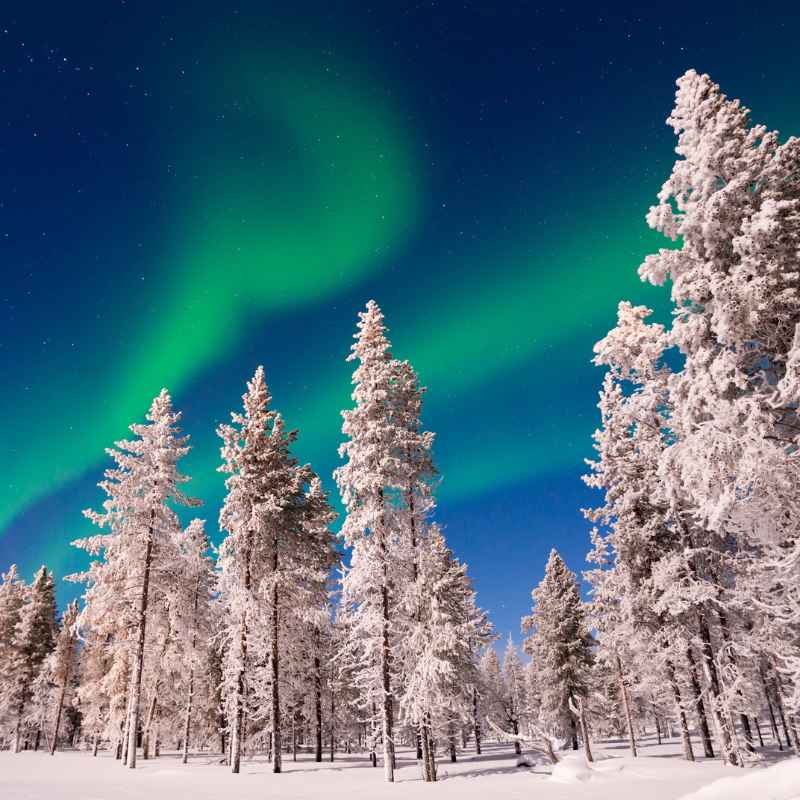
Take them as a bonus, never as the plan. The single biggest factor in whether you see them is not the “activity level” everyone fixates on. It is clear skies. A strong aurora behind clouds shows you nothing; a modest one under a clear sky is unforgettable. Clear nights happen when they happen, which is why we build trips full of things worth doing regardless, and treat the lights as the gift on top.
And a Word on Patience
Winter is winter. Weather can delay a flight or postpone an excursion, and occasionally it will. When it does, we are already working the problem in the background, rebooking, rerouting, and making it right, usually before you’ve had to think about it.
That’s the shape of a Lapland winter, month by month. Which stretch is right for you depends on what you want most: guaranteed snow, the most daylight, the deepest quiet, or the best odds under a clear sky. That’s exactly the kind of question we love to talk through. Reach out any time, and we’ll help you find your window.