
Switzerland Is Small. Small Enough for a Single Trip?
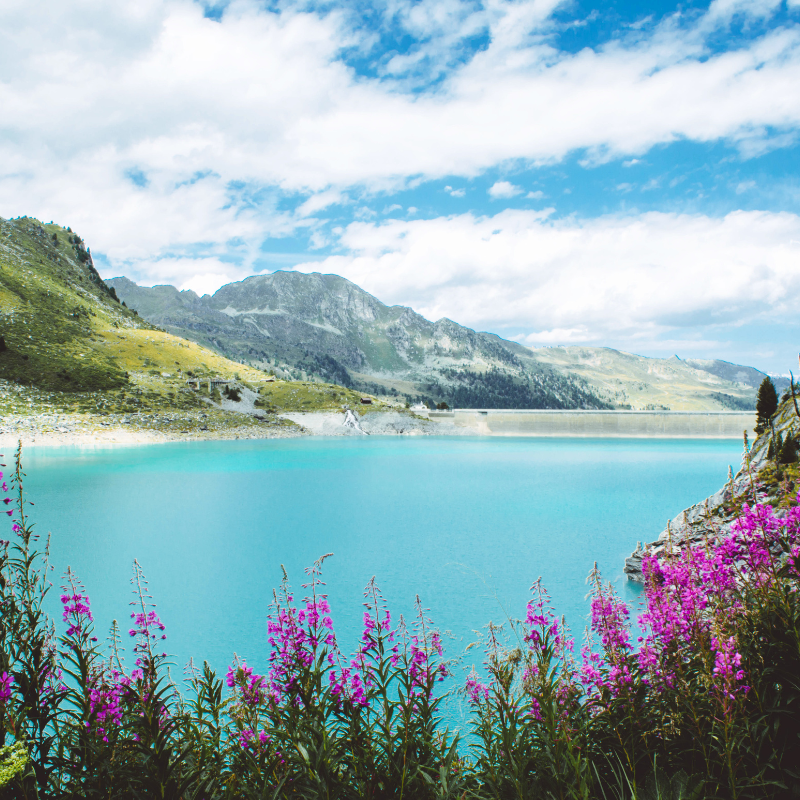
Switzerland looks simple on a map.
You can cross the country quickly. Trains are efficient. It’s easy to assume that Switzerland should be comfortably “doable” in one well-planned journey.
That assumption is precisely why Switzerland is so often misunderstood.
Its complexity doesn’t come from size. It comes from how much is compressed into very little space. The country is not one landscape repeated with variations; it is a set of distinct geographic systems, placed side by side, each producing a different way of living, speaking, building, eating, and moving.
Trying to see Switzerland in one trip usually means seeing one version of it clearly, and the others hardly at all.
Central & Northern Switzerland: A Vertical Landscape
Much of what people picture when they think of Switzerland comes from the German-speaking heart of the country.
Here, geography is vertical. The peaks, walls, and valleys of the Bernese Oberland compress villages into narrow corridors shaped by ice and gravity. Towns sit where slope, water, and access allow. Railways here are not conveniences; they are feats of necessity.
Further north, the terrain opens into rolling hills and large lakes such as Lake Lucerne, where medieval towns developed around crossings, markets, and protected harbors. Covered bridges, compact old towns, and painted facades are responses to climate and trade rather than stylistic choices.
This region feels iconic because its geography is dramatic and legible, but it represents only one way Switzerland works.
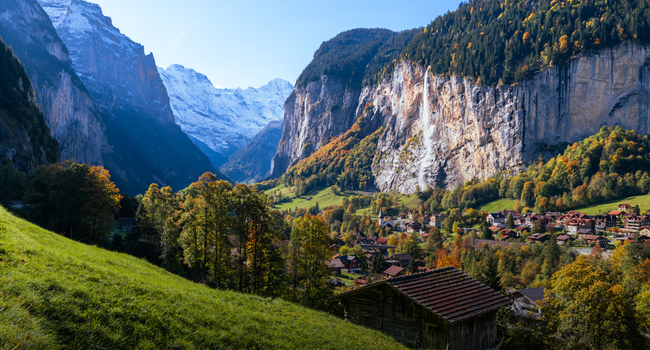
Western Switzerland: Oriented Toward Water
Move west, and Switzerland reorients itself.
Along Lake Geneva, the country stretches laterally rather than vertically. Life organizes itself along the water. Vineyard terraces like Lavaux descend directly into the lake, shaped by sun exposure, wind, and centuries of cultivation.
To the north, the Jura Mountains replace Alpine drama with layered ridges and broad pastures. Movement is gentler, transitions are wider, and towns feel outward-facing rather than enclosed.
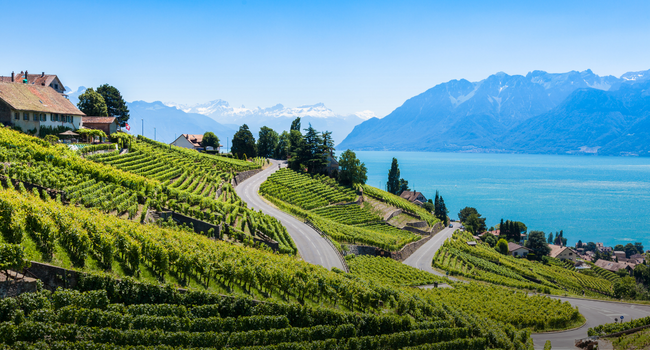
Southern Switzerland: Compressed and Textural
Then there is Ticino.
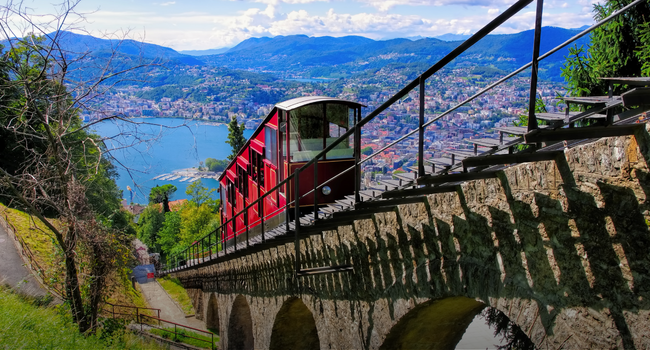
Here, Switzerland folds inward. This is the only part of the country where palm trees grow naturally below snow-covered peaks, a result of deep valleys channeling warm southern air directly into alpine terrain.
Rivers cut through granite, lakes such as Lake Lugano dominate daily life, and towns organize themselves around tight spaces: piazzas, arcades, and narrow passages formed by centuries of constraint.
This region is dense, tactile, and intimate, shaped by proximity rather than spectacle.
A Better Way to See Switzerland, By Design
If Switzerland resists being understood in a single journey, the solution is not to move faster, but to deliberately separate the experience.
Instead of compressing the country into one itinerary, SilverOpus designed two distinct small-group journeys, each built around regional coherence.
One focuses on German and Italian Switzerland, following a natural progression from alpine landscapes and lakes into the compressed southern valleys and lake regions of Ticino. The transition is gradual and clear, allowing changes in terrain, climate, food, and daily life to reveal themselves.
The other explores German and French Switzerland, tracing a different axis: mountains, water, vineyards, and towns shaped by trade and cultivation rather than enclosure. Here, Switzerland opens outward instead of folding inward.
Each journey stands on its own.
Together, they reveal Switzerland in full.
This approach is not about seeing more places, but about seeing more clearly, giving each region the space it needs to explain itself.
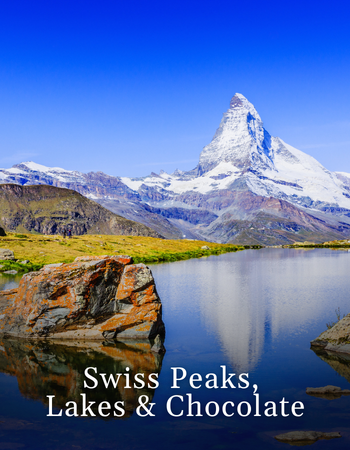
Alpine drama folding into compressed southern valleys.
8 days · From $8,800
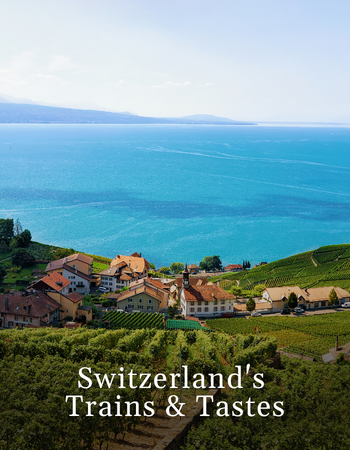
Mountains, water, and vineyards—Switzerland opens outward.
7 days · From $7,750
This approach is not about seeing more places, but about seeing more clearly. Giving each region the space it needs to explain itself.